
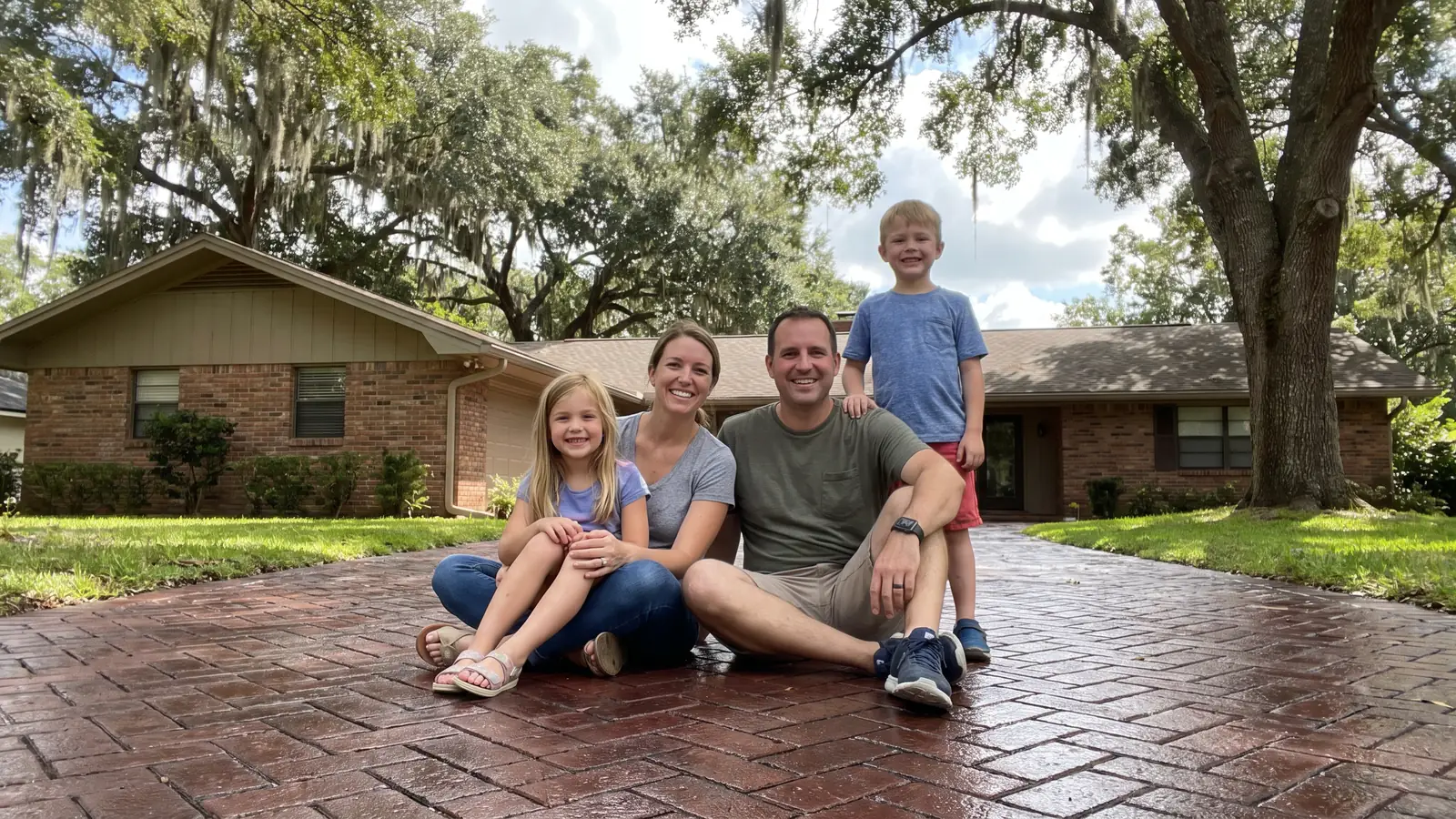
Paver sealing for Jacksonville Beach homes
Paver Sealing in Jacksonville Beach, FL
Jacksonville Beach sits on a barrier island, so pavers face sea air and storms; call (904) 204-0884 for a free look.
- Brings out deeper paver color
- Fresh joint sand helps lock pavers in place
- Gives weeds less room to grow
- Makes the surface easier to keep clean
- Free estimate, no obligation
Request a Free Estimate
Free, no obligation.
Fast, careful paver sealing in Jacksonville Beach
A Jacksonville Beach homeowner can get paver sealing for a driveway, pool deck, courtyard or front walk, and the first visit is free. A local contractor washes the pavers, refills the joints with fresh sand and rolls on the sealer. A call to (904) 204-0884 brings an answer within 1 business day, usually much sooner.
Picture the apron where your car turns in. The color has gone chalky, sand has crept out of the joints, and one corner stays green after a shower. After a wash, new sand and one even coat, the whole drive reads as a single color again. To start with a few words about your pavers, ask for a free estimate.
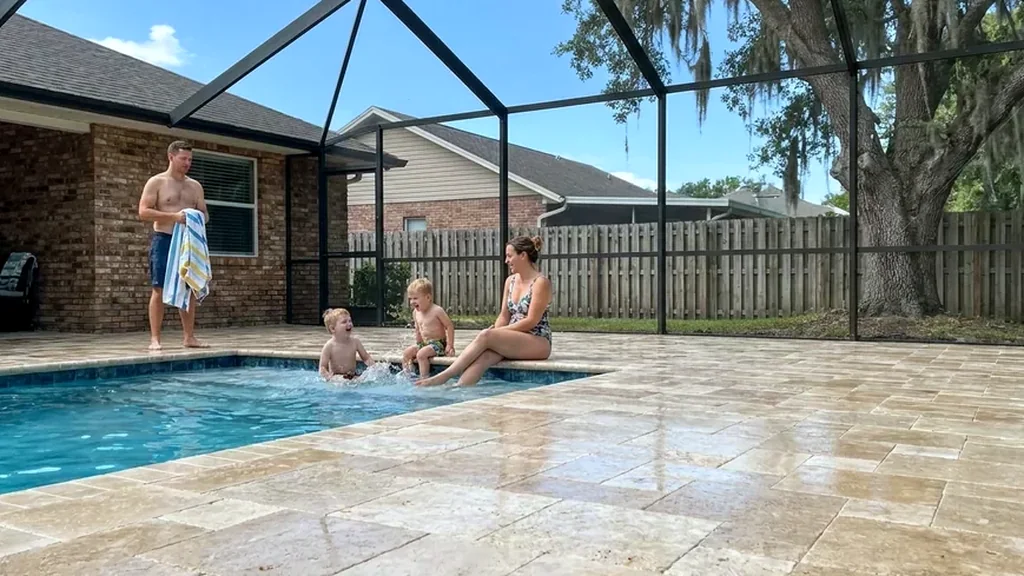
Why hire a local paver sealing contractor in Jacksonville Beach?
People at Jacksonville Beach tend to pick a local paver contractor because salt, storms and the wet summer months all change how a sealing job should go. To hear how that applies to your street, ask for a free estimate.
Free look at your pavers
The contractor checks your Jacksonville Beach pavers at no charge and gives a price before any work is set. Nothing is owed if you pass.
A published price range
Published prices near here run $1.75 to $3.25 per square foot to clean, sand and seal. Hold any Jacksonville Beach quote up against that range.
A finish that suits your house
Matte keeps quiet beside mid-century lines. A wet look adds shine but shows scuffs sooner, so pick for how you live.
You stay in charge
You choose the date and the finish, and you decide whether to go ahead. A Jacksonville Beach estimate carries no obligation.
Get Your Free Estimate in Jacksonville Beach
Tell us about your pavers in Jacksonville Beach.
Free, no obligation
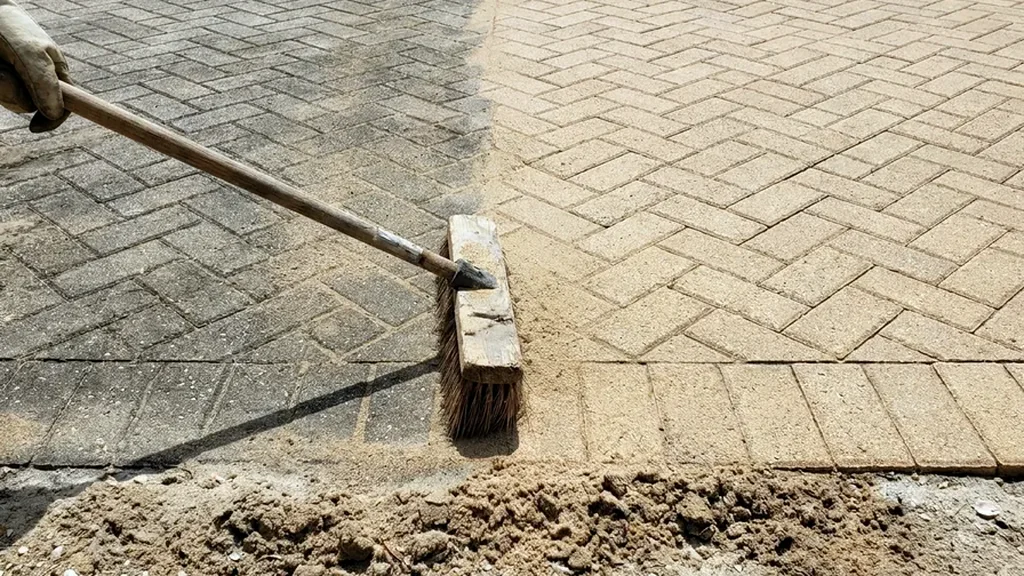
What paver problems show up most in Jacksonville Beach?
Sea air that dries into a chalky film
Water covers about two thirds of Jacksonville Beach, so few homes sit far from the sea. UF's gardening site says plants within an eighth of a mile of the coast need some salt tolerance, a sign of how far spray carries. US 90 ends at A1A three blocks from the ocean, which gives spray a short trip to many driveways. That same spray settles on pavers and dulls the color. A Jacksonville paver company says sealed surfaces rinse off more easily than bare ones, which means the next cleaning goes faster. Put plainly, the haze is a surface problem, and a wash plus a fresh coat deals with it.
Heavy rain in August and September
Normals for Jacksonville Beach show August at 7.54 inches of rain and September at 7.19, the two wettest months. Rain that hard can carry sand out of the joints. Low joints let pavers shift and give weeds a place to root. Washing clears out old joint sand anyway, so fresh sand goes in before any coat. Paving groups also suggest a look at the joints each spring. That is also why a driveway that looks fine from the street can still have thin joints along its edges.
Water that came over the dunes
News4Jax shows Hurricane Matthew surging over the dunes here in 2016, with a mandatory evacuation along the coast. Hurricane Floyd took the pier in 1999 and Matthew damaged it in 2016, so storm water is a known visitor. Pavers that took water can hold silt, sand and a gray film. Sealer would trap all of it, which means the wash has to come first. Sunken spots get fixed before any coat, since sealing only preserves them. If water ever reached your drive, tell the contractor how high it came and how long it stayed.
A coat that clouds in sticky air
Jacksonville Beach has a humid subtropical climate, and pavers dry slowly on damp days. A local paver company says sealer turning white nearly always traces to damp pavers or a coat laid on too thick. Sealer needs a dry surface. A contractor who waits for a dry window avoids the cloudy look. If a wash day turns damp, the coat moves to another day, and that is normal.
Slick spots around the pool
A pool deck takes splashes, sunscreen and bare feet. A Jacksonville paver company advises an anti-slip additive in any pool deck coat, since plain gloss turns slippery once wet. It calls matte the safest choice by the water, so grip and finish are the first things to settle. A deck that looks glossy and feels slick after a rinse is worth mentioning when you call.
Does the style of my Jacksonville Beach home change which sealer finish I pick?
Does a Casa Marina era home need a different finish?
It can, because Jacksonville Beach homes come from many eras. The city has the Mission style Casa Marina Hotel from 1925, the Art Moderne lifesaving station from 1947 and a notable collection of mid-century modern houses. A flat matte coat suits clean modern lines, while a wet look adds depth to warm brick tones. To talk through color, ask for a free estimate.
Why do beach toys wear a Jacksonville Beach driveway unevenly?
Jacksonville Beach counted 11,351 households in 2020, and about one in five had children under 18. Bikes, scooters and beach gear get dragged across a lot of driveways here, which wears the coat in uneven patches. A wet look shows those scuffs sooner than matte does. If you cannot decide, call (904) 204-0884 and ask whether the contractor can bring both samples.
What happens to joint sand on a short Jacksonville Beach drive?
About 23,800 people share 7.3 square miles of land, so lots sit close and many driveways are short. Tires turn more often on a short drive, and a local paver company says turning tires loosen joint sand. The sand near the garage door tends to go first. If yours is short and busy, ask for a free estimate and say so.
What does paver sealing cost in Jacksonville Beach?
What range should a Jacksonville Beach homeowner expect per square foot?
Posted prices across Northeast Florida run $1.75 to $3.25 per square foot for the wash, the new sand and the sealer together. A short front walk sits toward the low end of that range, and a wide two car apron with oil and tire marks climbs toward the high end. To see where your own pavers land, ask for a free estimate.
Which extras raise a Jacksonville Beach quote most?
Three things move a Jacksonville Beach quote most. Sunken pavers need a reset before any coat goes on, old sealer of an unknown type takes extra care, and a heavy salt film or flood line can mean more washing. Water rules count too, since the water management district says street and pressure washing face added restrictions under its current shortage order. Call (904) 204-0884 and ask how the wash will be handled.
| Paved area | Typical example | Clean, sand and seal |
|---|---|---|
| 300 sq ft | Small patio or walkway | $525 to $975 |
| 600 sq ft | Two car driveway | $1,050 to $1,950 |
| 1,000 sq ft | Large driveway or pool deck | $1,750 to $3,250 |
| 1,500 sq ft | Driveway plus pool deck | $2,625 to $4,875 |
Math based on the $1.75 to $3.25 per square foot that Northeast Florida paver companies published as of November 2026. Your contractor sets the actual price after seeing the surface. Repairs, leveling and stripping failed sealer are usually extra.
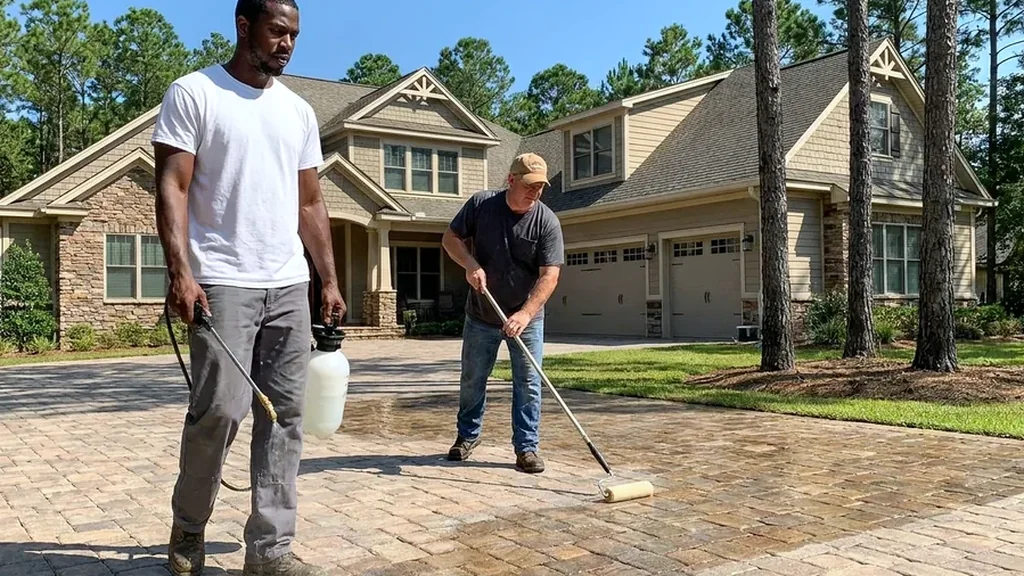
How does a paver sealing job work in Jacksonville Beach?
Look and measure
The contractor walks your driveway, deck or walk, takes a look at the joints, measures the area and checks for sunken or lifted pavers. Sealing locks in whatever is there, so a dip near the street apron or a rocking paver gets noted first. You hear the price before you agree to anything, and you can ask for a different finish at that point. Sprinklers that spray the drive can leave rust marks, so say where yours aim.
Reset the low spots
Sunken or rocking pavers are lifted and set again on a firm base before cleaning starts. Fixing them after sealing would break the new coat. A job with nothing sunken skips this step, and a flat, tight surface moves straight to washing.
Wash off the salt film
The contractor washes the pavers to lift salt film, dirt and green growth, using a method that fits the district's current water rules. Washing also clears old joint sand, which is why new sand goes in before sealing. Then the pavers dry, and humid days stretch that wait. Sealing waits for dry pavers, not for a time on the clock.
Fill the joints
Fresh sand goes into every joint and is swept in until the joints sit full. Full joints hold the pavers in place and leave weeds less room to root. Extra sand is cleared off the faces before sealer goes down, so no grit gets locked under the coat.
Seal, then stay off
The sealer is sprayed and then back-rolled, which spreads it evenly and works it into the joints. Water that beads on the surface later shows the coat is working. Stay off by foot for a few hours and keep cars off for about a day. The contractor gives you the exact time once the weather is known.
Complete paver services in Jacksonville Beach
Why does each sealing step wait on the one before it?
A sealing job at Jacksonville Beach runs in a set order. The contractor washes away salt film and green growth, lets the pavers dry, refills the joints with fresh sand and then sprays or rolls on the sealer. Each step waits on the one before it, so rushing any of them shows later. To see the steps for your drive, ask for a free estimate.
How do driveways, pool decks and front walks wear differently?
Driveways, pool decks, courtyards and front walks wear in different ways. A driveway carries car weight and turning tires, while a pool deck gets splashes and bare feet, so matte is a common pick there. Courtyards and walks mostly see feet, which means wear shows up as faded color and lost sand. Call (904) 204-0884 and say which surfaces you have.
Can new water-based sealer go over an old solvent coat?
Whatever is on the pavers now limits what can go on next, because water-based sealer cannot go over a solvent-based coat. A test patch or an old invoice settles it. Matte keeps a quiet look while wet look deepens color but shows scuffs sooner, and the usual quote is two to five years between coats. To talk through your choice, ask for a free estimate.
Does the November to April dry spell help a Jacksonville Beach job?
Sealer needs a dry surface, and the driest months here run from November to April. August and September bring the most rain, so a dry spell outside them gives the contractor room to wash, dry and coat in order. Foot traffic is usually fine within a few hours, and cars stay off for about a day. Call (904) 204-0884 to ask what the forecast allows.
Questions to ask before you hire
- Do my pool deck and driveway get the same sealer, or two different ones?
- How long will the coat hold up on a driveway I park on every day?
- Do I need to be home while you work, or only for the final walk through?
- What sealer would you put on my pavers, and why that one?
- How do you protect my screen enclosure, my pool water and my front door?
- Who from your company will be working at my house that day?
- How long do the pavers need to dry after the wash before the sealer goes on?
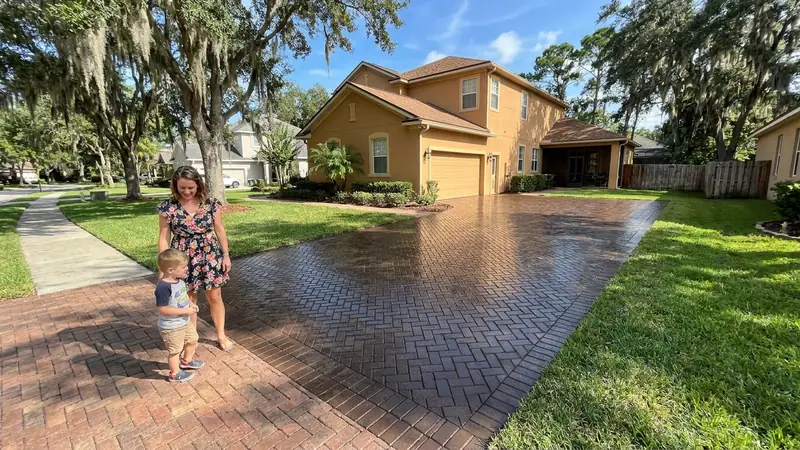
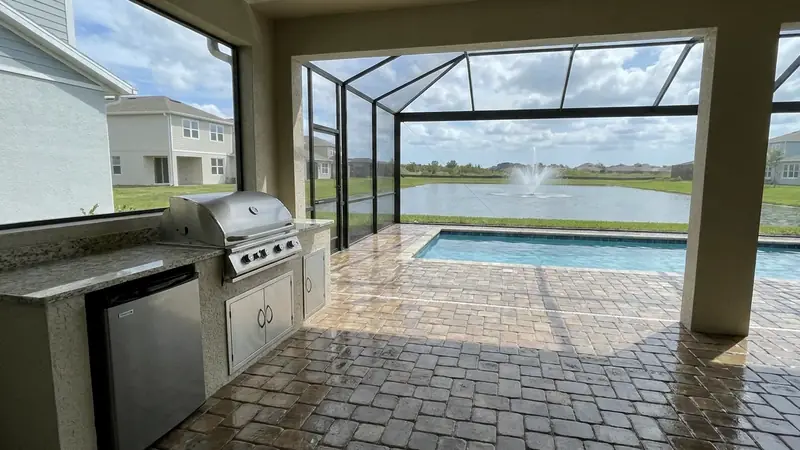
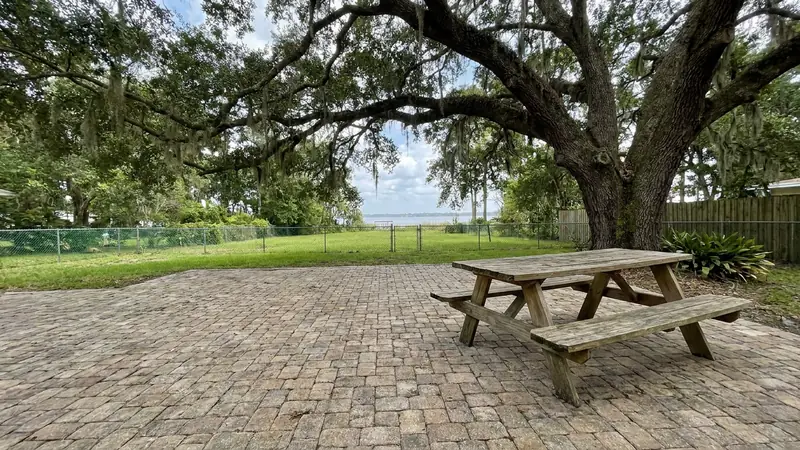
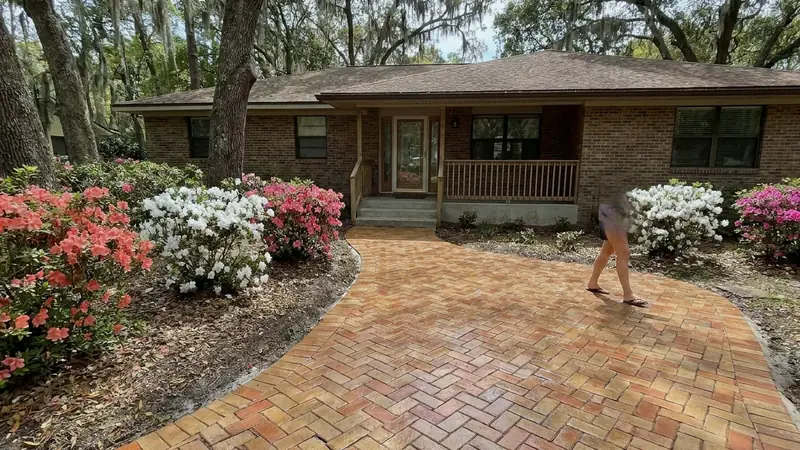
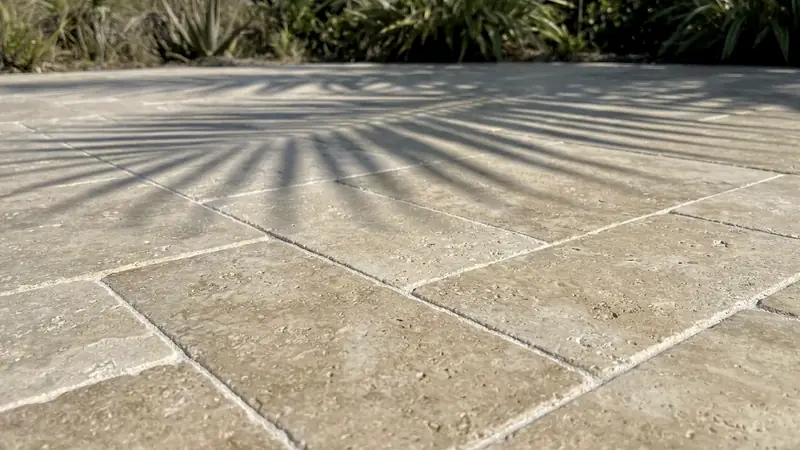
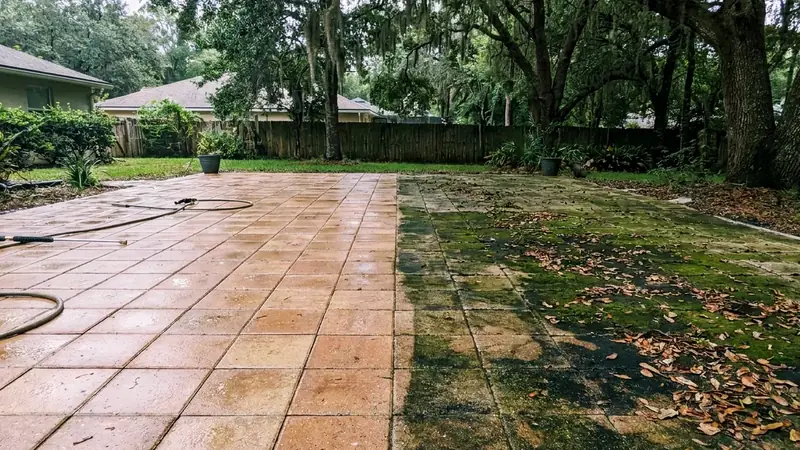
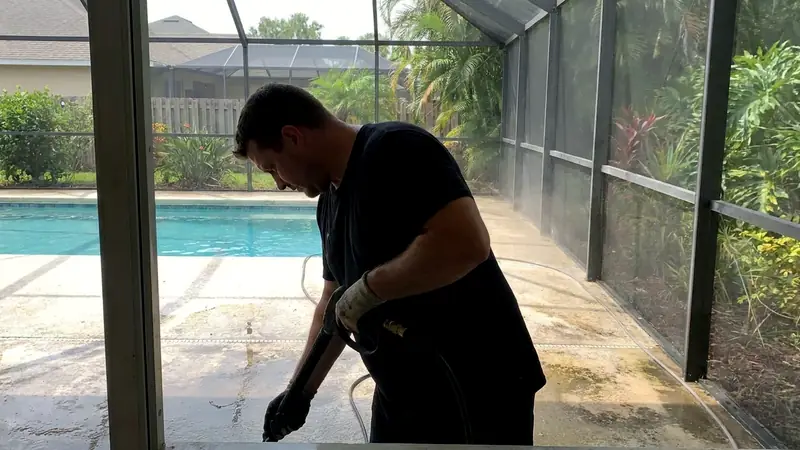
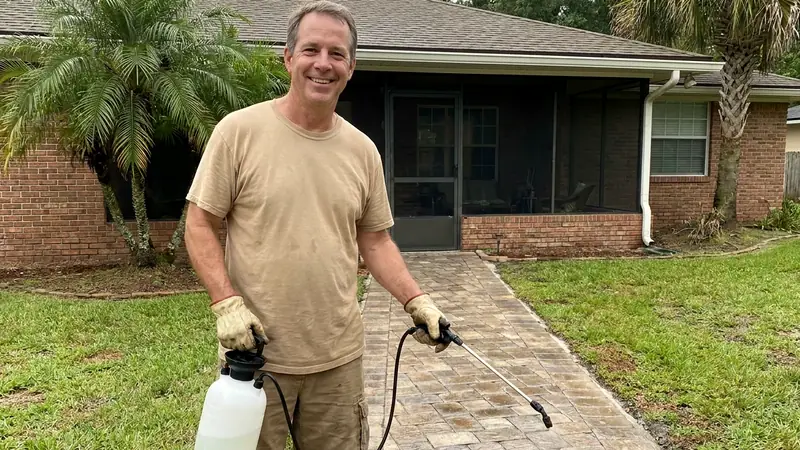
What do sealed pavers look like around Jacksonville Beach?
Why local matters in Jacksonville Beach
How do salt, sand and clay shape a barrier island job?
A contractor who works the beaches already knows what changes a job here: salt, heavy summer rain and soil that is mostly sand and clay across Duval County. Jacksonville Beach sits on San Pablo Island, a 37 mile barrier island between the Atlantic, the St. Johns River and the Intracoastal Waterway. That setting is why so many jobs start with a wash. ask for a free estimate to book a look.
Which Jacksonville Beach or Jacksonville office handles a curb cut?
Local knowledge also helps with the rules. Jacksonville Beach keeps its own city government, while residents vote in Jacksonville's mayoral race and get county services from Jacksonville. A contractor used to that split is more likely to know which office to ask about a driveway apron, a curb cut or a stretch of sidewalk. Call (904) 204-0884 if you are not sure whose street yours is, and give the nearest cross street.
Is a nearby contractor handy after an August storm?
Local also means close. Jacksonville Beach holds about 7.3 square miles of land, so a contractor based nearby can stop by after a big storm to look at a fresh coat. That matters most in August and September, the two wettest months. Bring it up when you call (904) 204-0884, and ask what a return visit would involve.
What should a contractor know about Jacksonville Beach before sealing my pavers?
How did Pablo Beach become Jacksonville Beach?
That the town grew in layers, and your pavers sit on one of them. The first house went up in 1884, the town was Pablo Beach by 1886, and it took the Jacksonville Beach name on June 15, 1925. Homes from the 1920s stand near mid-century houses and newer builds, so no two sets of pavers share a history. Call (904) 204-0884 and mention your home's age if you know it.
What did Shad's Pier and Hurricane Floyd teach local owners?
The beach has a long record of big days. Army volunteers trained there in 1898 under William Jennings Bryan, and pilots landed on the sand in 1921 and 1922. Shad's Pier opened in 1922, and Hurricane Floyd took the town pier in 1999 before it was rebuilt five years later. Storm recovery is a normal topic here, since Floyd and Matthew both damaged the pier, so if you want to ask about your own street, ask for a free estimate.
Frequently Asked Questions
Why does paver sealing cost what it does in Jacksonville Beach?
Most of the labor happens before the sealer goes on. A contractor washes the pavers, lets them dry, re-sands the joints and then coats the surface in an even pass. Published prices run $1.75 to $3.25 per square foot to clean, sand and seal, and a larger or dirtier area sits higher in that range. A short courtyard walk and a wide driveway can differ a lot in total, even at the same price per foot.
How long does paver sealing last in Jacksonville Beach?
Quotes from local companies put the gap between coats at two to five years, and wear sets the pace. A shaded walk may hold a coat longer than a driveway where cars turn every day. Near the ocean, salt film and heavy summer rain are the usual reasons a coat looks tired sooner. A contractor can look at your pavers and tell you what shows. Paving groups also suggest a quick look at the joints each spring. A fresh coat that beads water is a sign it is still working.
How much does it cost to re-sand and seal pavers in Jacksonville Beach?
Re-sanding is part of the same job and sits inside the published range of $1.75 to $3.25 per square foot. Washing clears the old joint sand, so new sand goes in before sealing. Sunken pavers are reset first and priced on top. The free estimate keeps the two apart so you can compare. Ask for the joint sand to be listed as its own line.
What do professionals use to seal pavers near the ocean?
Professionals typically spray the sealer and then back-roll it, which spreads it evenly and works it into the joints. The sealer is either water-based or solvent-based, and a water-based coat cannot go over a solvent-based one. Which fits depends on what is down and the look you want, and a film-forming wet look differs from a penetrating matte. Ask the contractor to name the product before the date is set. A sealer you cannot name is hard to recoat later.
Does salt air damage pavers in Jacksonville Beach?
Salt air mostly dulls and dirties the surface. A Jacksonville paver company says pavers stand up well to salt and that the joints and base are what fail. UF's gardening site notes that plants within an eighth of a mile of the coast need some salt tolerance, and water covers two thirds of this city. A wash before sealing lifts the film either way.
Does the water shortage affect pressure washing before sealing?
It can. The district's Phase III shortage order puts added limits on street and pressure washing. Rules can change, so check the district's watering restrictions page. The contractor can tell you which wash method fits the order on the day of the job. Ask about it when you call, since a shortage order can shift how the first step works. If you are unsure, ask before you book.
Should I pick a wet look or matte finish for my Jacksonville Beach pavers?
Matte suits a pool deck and a quiet look, while wet look deepens color on a front driveway. Wet look shows scuffs sooner than matte, and a gloss coat without an anti-slip additive is slick when wet. A home with both a drive and a deck can use a different finish on each. A wet look is a film that sits on top, while a natural finish soaks in, so the two behave differently. Water-based and solvent-based sealers do not mix, so the contractor checks what is down first.
How soon can I walk or park on newly sealed pavers?
Walking on the surface is usually fine after a few hours, while cars should wait about a day. The sealer, the weather and the humidity can stretch that, so the contractor gives you a time on the day. Rain in the forecast for that afternoon can move the job. Sealer needs a dry surface, so a delay is better than a cloudy coat.
Ready for a Free Estimate in Jacksonville Beach?
Call (904) 204-0884 and tell us about your pavers.
Free, no obligation